Contact Us
.svg)

.svg)

Texture Is the New Competitive Advantage in Food InnovationFrom extrusion science to hydrocolloid systems, the technical levers of texture are reshaping how winning food products get built.

CJB and Associates Manufacturer
27/8/2026
For decades, food companies competed on flavor. Later, it was health claims. Then came clean labels. Today, the battleground is texture.
At CJB and Associates, we have developed and reformulated products for clients right from pre-revenue startups to Fortune 100 food companies. Our experience can tell you that texture is where many products are won or lost.
71% of consumers say texture plays a key role in how much they enjoy a food, and 67% actively look for novelty in mouthfeel. Further research discovers that 79% of consumers believe texture determines overall satisfaction, and 53% say texture matters more than flavor. The industry is responding. The global market for food texturizers reached $16.51 billion in 2025 and is on track for $20.45 billion by 2030.
Why Texture?
Here is why this should matter to product development and brand strategy: texture is defensible. Think of the products that own their categories. In almost every case, a signature bite, snap, melt, or creaminess is doing heavy lifting that competitors have never fully replicated. A flavor can be matched in weeks. A texture is the product of formulation, ingredient interactions, process conditions, and packaging working together. This kind of system is truly hard to reverse engineer, and has now turned texture into a strategic decider.
Here is a practical tour of the technical levers that matter most, and what to keep in mind with each one.

Extrusion: Where Texture Is Engineered, Not Added
Extrusion is the workhorse behind puffed snacks, breakfast cereals, textured plant proteins, and more. By controlling heat, moisture, pressure, and shear inside the barrel, you can dial in cell structure, density, and bite with remarkable precision.
Twin-screw systems in particular are unlocking textures that were not possible a decade ago. As per reports, twin-screw extrusion now allows snacks containing up to roughly 25% protein while maintaining consumer acceptance. This is crucial because high-protein formulas are notoriously prone to dense, hard, or gritty outcomes.
The key thing to remember: extrusion parameters and formulation are inseparable. Change your protein source or fiber load; and your screw profile, moisture, and die design usually need to change with it.

Crispness and Crunch Retention: The Sound of Quality
Think of potato chips, crackers, wafers, and granola clusters. Crispness is the texture consumers most readily equate with freshness. Crunch is its deeper, louder cousin, and both are as much acoustic experiences as tactile ones. The challenge is not creating crunch. It is keeping it through distribution, shelf life, and a half-open bag in a humid kitchen.
Crunch retention comes down to managing water activity and glass transition. Crispy structures are essentially brittle glassy matrices. Once they absorb enough moisture, they turn from crisp to leathery.
Barrier packaging, moisture-scavenging design, coating systems, and smart ingredient selection all play a role. In multi-component products, the stakes are higher. Texture specialists note that crispy components can go soggy while soft elements dry out unless developers actively manage moisture migration between them.

Creaminess and Moisture Management: The Promise of Comfort
This is the world of yogurts, ice creams, sauces, dips, nut butters, and cream-filled bakery. If crunch signals freshness, creaminess signals indulgence and quality. Consumers read a smooth, full mouthfeel as richness, even when fat and sugar have been reduced. However, any grittiness, chalkiness, or wateriness breaks the illusion instantly. Moisture management is what prevents this.
Water is the most mobile ingredient in any formula, and it migrates toward equilibrium relentlessly: from filling to crust, from sauce to inclusion. Controlling it means engineering water activity gradients, selecting humectants wisely, and using binding systems that hold water where you want it. This is especially relevant now, as US consumers increasingly link crispy and creamy textures to indulgence and comforting "me-time" moments. Deliver the texture, and you deliver the emotion.

Oil Reduction: Lighter Without the Letdown
From popped chips and baked crisps to air-fried snacks and lighter fried coatings, this is one of the busiest corners of reformulation. Consumers want lighter, better-for-you products, but they will not forgive a limp chip. Data shows consumers increasingly connect lighter textures with healthier indulgence, favoring smooth and crunchy formats that balance pleasure with perceived wellness.
The technical toolkit here is rich: baked and popped formats instead of fried, vacuum frying, extrusion-based expansion, film-forming coatings that block oil uptake, and starch or fiber systems that rebuild the lubricity fat once provided.
As the team that reduced sodium in Popchips by over 25% while improving product acceptance, we know this space well. The same principle applies to oil: reduction only works commercially when the sensory experience improves, or at least holds. Cut the oil, lose the crunch, and you have simply built a healthier product that struggles for repeat purchases.
Hydrocolloids and Starch Systems: The Invisible Architects
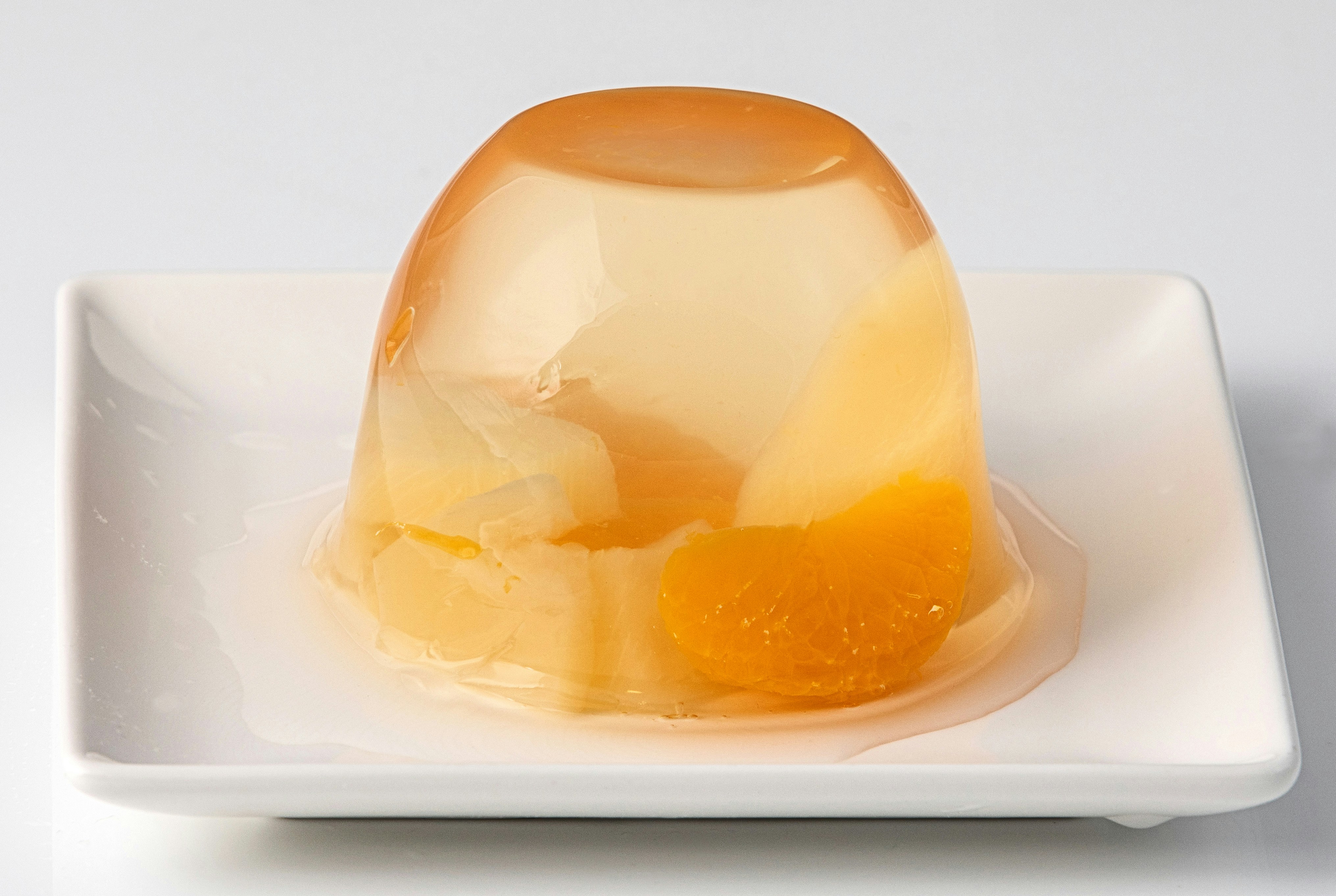
These are the secrets behind jams, jellies, salad dressings, plant-based milks, gummies, and stable frozen desserts. Hydrocolloids, including pectins, gellan, xanthan, and carrageenan, are the largest segment of the texturizer market, valued at $4.1 billion in 2025. They thicken, gel, stabilize, and suspend; often at use levels below one percent. Starch systems, both native and functional, do parallel work: building viscosity, setting structure, delivering creaminess; all while surviving retort, freeze-thaw, and shear.
Two cautionary notes.
Firstly, hydrocolloids interact. Pairings can be synergistic or disastrous, and behavior shifts with pH, salts, sugars, and process conditions. Second, the clean label movement has changed the rules. Consumers want recognizable ingredients, which is pushing formulators toward functional native starches and plant-derived gums that perform without the "modified" tag. Getting the same texture with a shorter label is a genuine technical achievement, and is a problem worth solving early in development, not after launch.
Proteins and Functional Fibers: Nutrition That Has to Feel Right
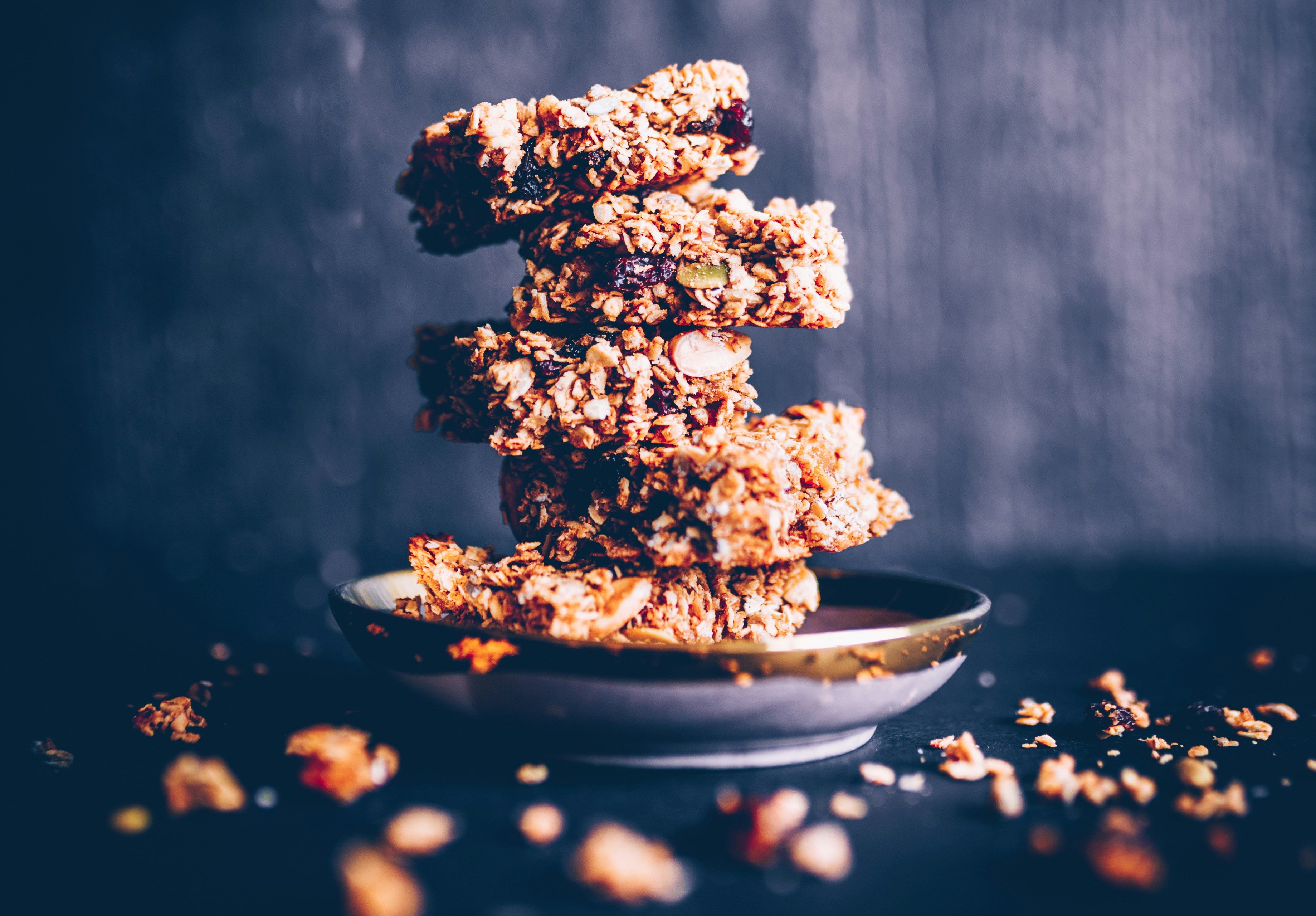
Protein bars, plant-based meats, high-protein shakes, and fiber-enriched breads all depend on this challenge for performance. Protein and fiber are the two claims consumers most want on packs, and both are texture troublemakers. Proteins can bring astringency, grit, hardness during shelf life. Fibers can bring sandiness and dryness. However, if handled well, they become texture assets. Proteins build fibrous, meat-like structures in extruded plant-based foods. Functional fibers like inulin and oat beta-glucan can mimic fat's creamy mouthfeel while adding a digestive health story.
This matters most in plant-based categories, where texture remains the make-or-break attribute. Research on plant-based products concludes that brands highlighting rich textures and bold flavors will lead the category's growth.
Our take: treat protein and fiber selection as texture decisions first and nutrition decisions second.
The Bottom Line: Texture Is a Business Metric
Texture is not just a sensory add-on. It is measurable commercial leverage. Beyond the data above, Innova finds that over half of global consumers have modified a product's texture after purchase, adding toppings or changing preparation. This practically reads as consumers saying that your product missed. When shoppers face a shelf of options, texture cues decide what feels worth buying again.
A texturizer market growing past $20 billion by 2030 is the industry's collective bet that mouthfeel is where differentiation now lives. The brands treating texture as a core design variable, defined up front, engineered deliberately, and validated with consumers, are the ones gaining loyalty.
Your Product's Texture Story Starts Here
Flavor gets people to try your product. Texture gets them to come back. From extrusion and crunch retention to hydrocolloid systems and protein texturization, the science is deep, but the goal is simple: an experience consumers remember and repeat.
Over the years, CJB and Associates’ team of experienced R&D scientists and engineers has built these experiences for foods and beverages around the world. We are backed by an open innovation network of universities, suppliers, and specialists. If texture is the challenge standing between your product and its growth, let's talk.
Reach out to us and let's make your product an unforgettable one.


.png)
.png)
.jpg)